Analyzing Synchronization Between Progressive Jackpot Networks and Tiered Bonus Structures in Licensed UK Online Casino Operations
Leon Sullivan · Oct 5, 2026
Analyzing Synchronization Between Progressive Jackpot Networks and Tiered Bonus Structures in Licensed UK Online Casino Operations
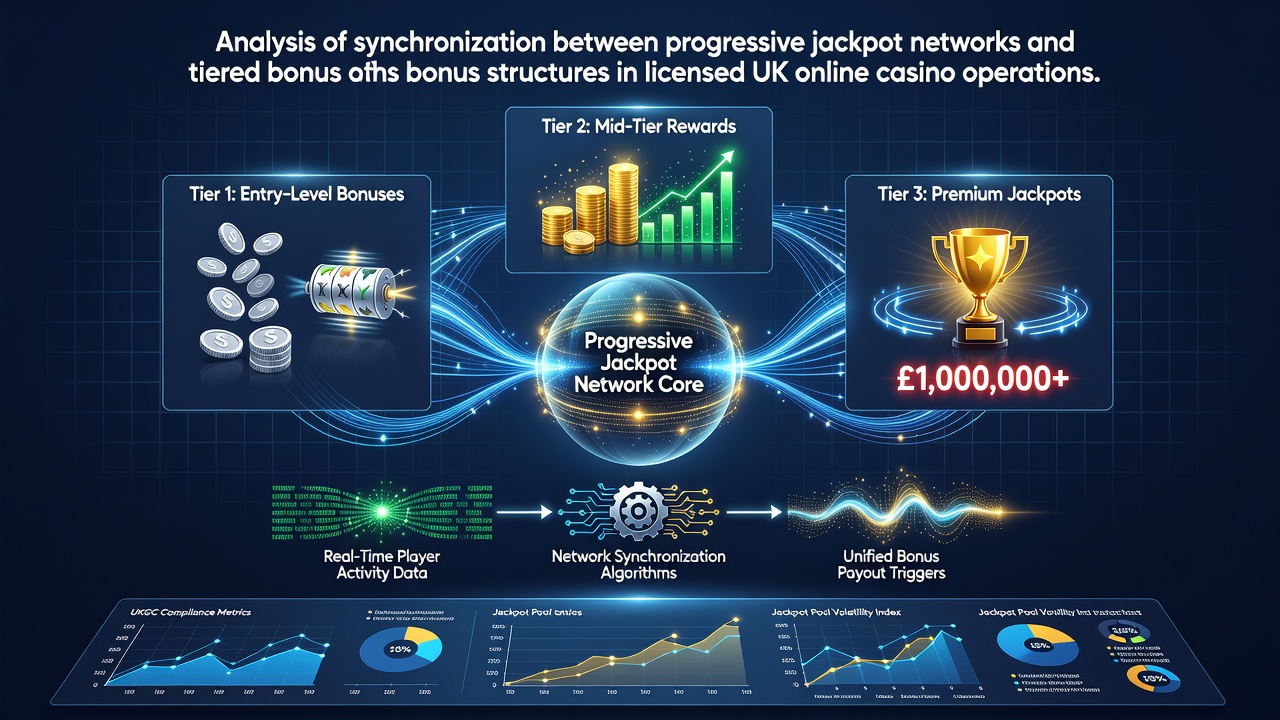
Progressive jackpot networks operate across multiple licensed platforms in the UK by pooling player contributions into shared prize pools that grow until triggered, while tiered bonus structures layer rewards according to player activity levels such as deposit volume and game participation rates, and operators examine how these two systems align to manage contribution percentages and payout triggers without disrupting overall game economics.
Network Mechanics and Bonus Layering
Operators integrate progressive networks through centralized servers that collect a fixed percentage from each bet placed on connected slots, and this funding mechanism feeds directly into bonus tiers where higher activity thresholds unlock enhanced match percentages or additional free spin allocations that sometimes reference current jackpot values. Researchers at institutions like the University of Nevada Reno have documented cases where synchronization occurs when bonus tiers adjust dynamically based on network pool sizes, allowing platforms to calibrate player incentives against jackpot growth rates in real time.
Data from the European Gaming and Betting Association indicates that synchronization protocols often rely on algorithmic thresholds where a jackpot reaching specific milestones automatically escalates the next bonus tier eligibility criteria, and this process helps maintain balance between player acquisition costs and long-term retention metrics across licensed operations.
Regulatory Context and Operational Adjustments
Licensed UK entities must comply with broader European standards that influence how networks and bonuses interact, yet synchronization extends beyond compliance into practical software configurations where tier multipliers scale with network contributions collected from UK players. Observers note that in October 2026 several platforms began testing updated interfaces that display tier progress alongside live jackpot amounts, creating visual cues that link the two systems for users while backend algorithms handle the actual contribution reallocations.
Industry reports reveal that synchronization reduces instances of mismatched incentives where a large jackpot draw might otherwise deplete funds allocated for lower bonus tiers, and companies achieve this through shared databases that track both network pools and individual player tier statuses simultaneously.
Technical Implementation Examples
One case study from a multi-site operator demonstrated that linking progressive contributions to tiered reward engines allowed for automated bonus upgrades whenever a network jackpot exceeded a predetermined threshold, and this approach streamlined promotional campaigns by reducing manual adjustments. Software providers supply APIs that feed jackpot data into bonus management modules, enabling real-time calculations of tier eligibility based on accumulated network activity rather than isolated platform metrics alone.
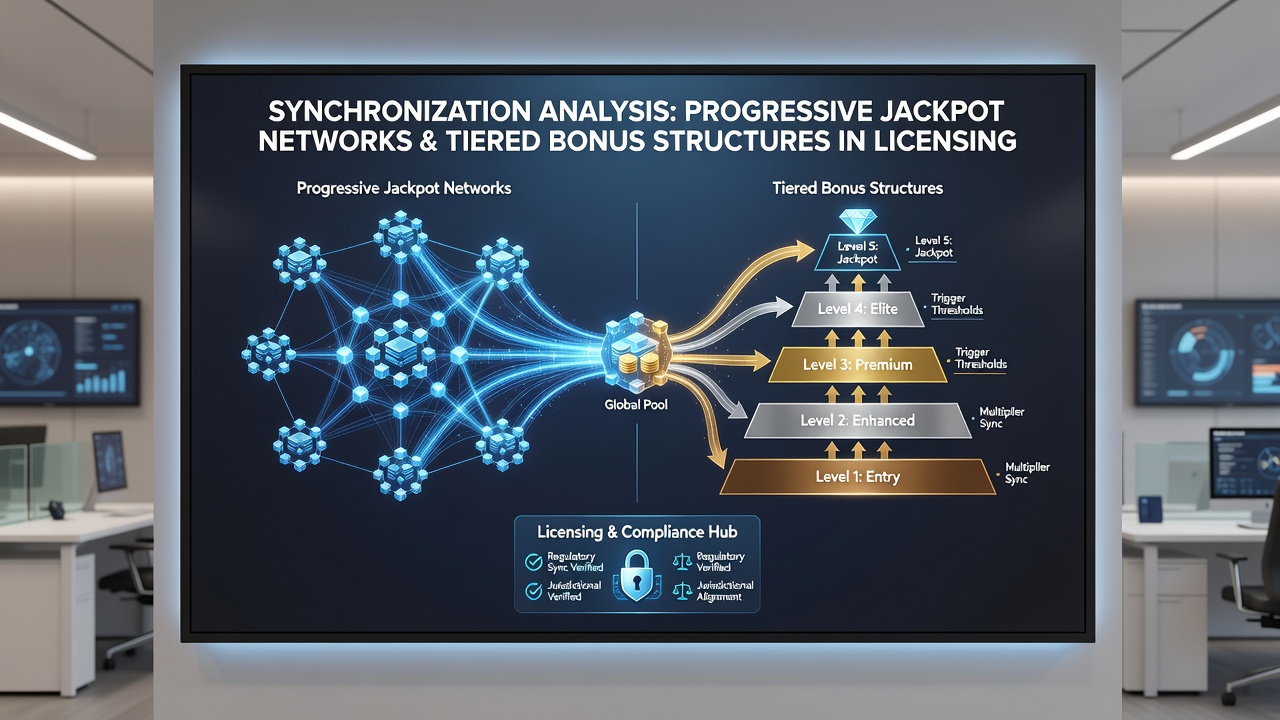
What's interesting here involves the use of predictive modeling where historical synchronization patterns inform future tier structures, allowing operators to forecast contribution impacts before rolling out new bonus levels tied to expanding networks.
Data Patterns Across Operations
Figures from various industry analyses show that synchronized systems correlate with steadier player engagement curves, since bonus tiers that respond to jackpot fluctuations encourage continued participation even after major wins redistribute pool funds. External audits of licensed platforms confirm that contribution percentages remain consistent when tier bonuses incorporate network data points, preventing scenarios where bonus payouts outpace revenue generated from connected games.
Those who've studied these integrations point to examples where platforms adjusted tier thresholds quarterly to match seasonal jackpot growth trends, and this practice maintains equilibrium without requiring separate promotional budgets for each system.
Conclusion
Synchronization between progressive jackpot networks and tiered bonus structures continues to shape operational strategies in licensed UK online casino environments through shared data flows and algorithmic adjustments that align contribution mechanics with reward escalations, and ongoing developments in October 2026 highlight further refinements in how these elements interact across platforms.