Exploring Interplays Between Deposit Options and Retention Patterns in Fresh Mobile Slot Launches
Hugo Schröder · Oct 19, 2026
Exploring Interplays Between Deposit Options and Retention Patterns in Fresh Mobile Slot Launches
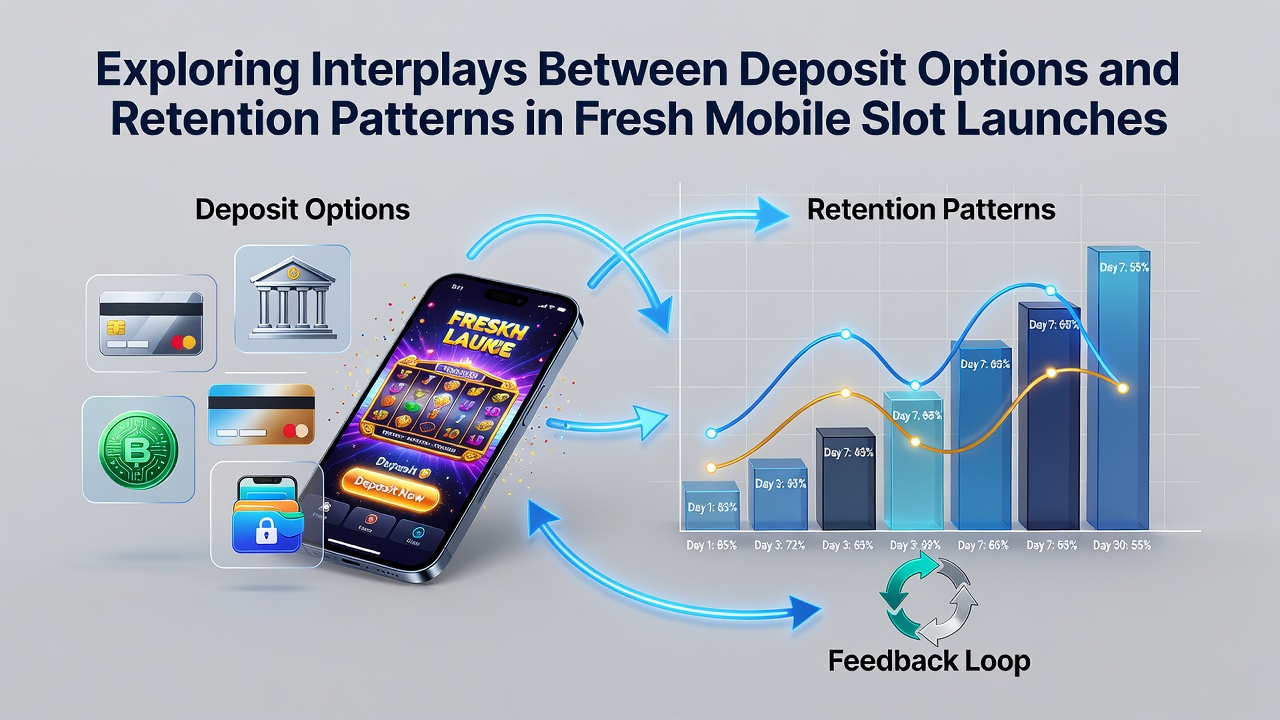
Deposit options in new mobile slot launches connect directly with how players continue engaging over time, and researchers tracking these patterns across multiple platforms have identified consistent correlations between payment method selection and session frequency. Data from industry reports shows that certain deposit types align with higher retention rates during the first thirty days after a launch, while others correspond to quicker drop-off once initial bonuses expire. Observers note that these relationships emerge early in a game's lifecycle because players who choose specific methods often follow predictable behaviors tied to transaction speed and perceived security.
Deposit Method Categories and Their Typical Usage
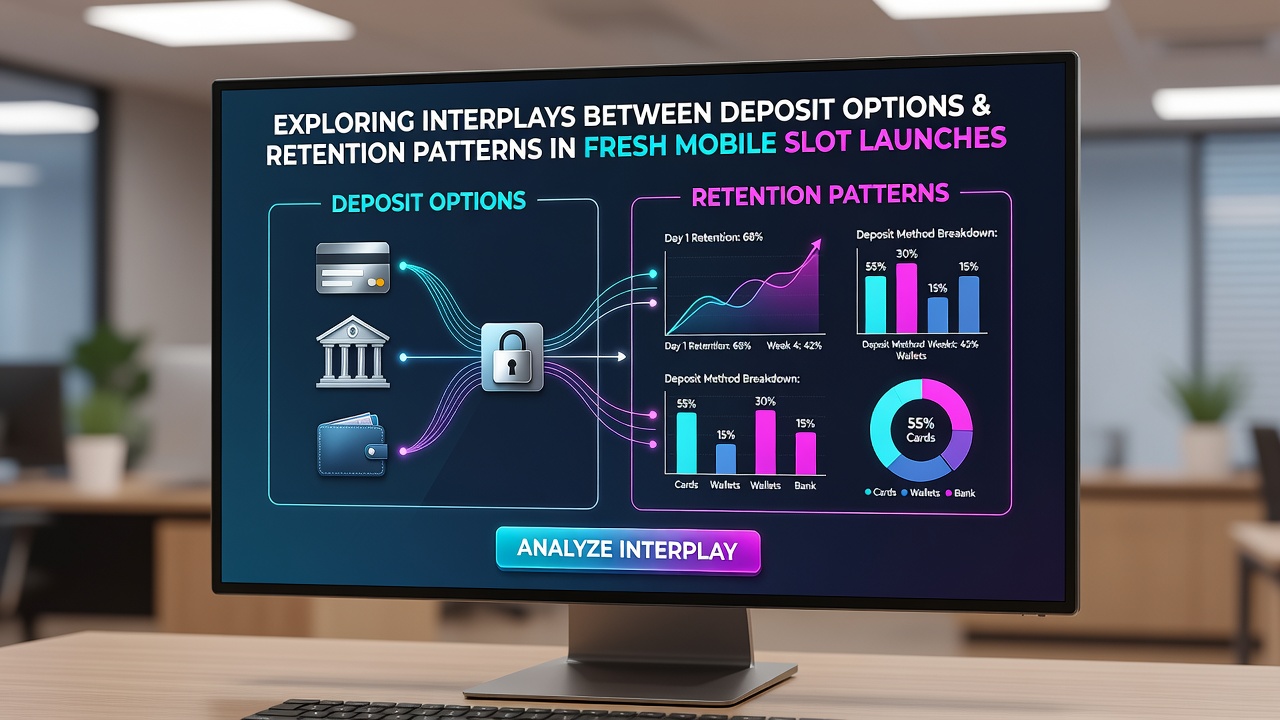
Traditional card payments, e-wallets, bank transfers, and cryptocurrency options represent the main categories tracked in fresh mobile slot releases. Studies indicate that credit and debit card deposits account for the largest share at launch, yet they frequently pair with moderate retention figures once promotional periods end. E-wallet users, by contrast, demonstrate steadier return rates in several datasets because these methods allow faster repeat deposits without re-entering full card details. Bank transfers appear less often in mobile contexts but show stronger long-term retention when they occur, since the process usually involves deliberate planning rather than impulse play.
Cryptocurrency deposits have gained visibility in launches since 2024, and figures reveal that platforms supporting them sometimes record elevated retention among a smaller but consistent user segment. Those who study these trends point out that transaction anonymity and lower fees can encourage continued activity, although overall volume remains lower than card-based methods. In October 2026 several new mobile titles incorporated hybrid deposit systems that let players switch between fiat and crypto within the same account, and early metrics suggest this flexibility may influence how retention curves develop beyond the initial month.
Retention Metrics Across Different Payment Flows
Retention patterns become measurable through metrics such as day-seven return rate, average sessions per week, and total deposit frequency after the first transaction. Research compiled by academic teams at institutions focused on digital entertainment economics demonstrates that players using e-wallets often maintain higher day-seven activity compared with card users, though the gap narrows after day fourteen. One analysis of multiple European and North American platforms found that bank transfer users posted the highest cumulative deposits over ninety days when they remained active, even if their initial session counts started lower.
What's interesting is how these patterns shift depending on the launch region's regulatory environment. Data collected through industry associations in Australia and Canada shows that stricter verification requirements for certain deposit types can delay first-time funding and thereby affect early retention signals. Yet platforms that streamline verification for verified users tend to see smoother transitions into regular play regardless of the chosen method.
Case Examples from Recent Mobile Slot Releases
Take the rollout of several titles in early 2026 where operators introduced tiered deposit incentives tied to specific payment rails. Observers tracking those launches reported that users selecting digital wallets responded more consistently to follow-up notifications about new features, while card depositors showed higher sensitivity to bonus expiry dates. In one documented instance a studio partnered with a payment processor to offer instant crypto top-ups, and the resulting cohort maintained session lengths above the platform average for the first six weeks.
Another example comes from a North American operator that tested progressive reward structures based on cumulative deposit volume rather than method. Retention improved across all categories, yet the uplift proved largest among bank transfer users who had previously shown slower initial engagement. These outcomes align with broader findings from gaming research groups that link payment friction levels to long-term behavioral persistence.
Technical and Regulatory Factors Shaping the Interplay
Platform design choices around deposit integration influence retention outcomes because seamless in-app funding reduces friction that might otherwise interrupt play cycles. Reports from the Canadian Gaming Association highlight that operators optimizing mobile checkout flows for multiple methods simultaneously record steadier retention curves during the critical first quarter after launch. At the same time, evolving rules in various jurisdictions require clearer disclosure of transaction fees, and these requirements can indirectly steer players toward methods that feel more transparent.
October 2026 brought updated technical standards in several markets that encouraged real-time balance updates across deposit types, and operators who adopted these standards noted measurable improvements in user return rates within the first forty-eight hours after funding. The adjustments did not favor any single method but instead reduced drop-off points that previously occurred during confirmation delays.
Conclusion
Patterns connecting deposit options to retention in new mobile slot launches continue to evolve as platforms refine payment integrations and regulatory frameworks adapt. Available data from multiple regions indicates that no single method guarantees superior retention, yet combinations of speed, verification ease, and reward alignment produce measurable differences in how players sustain activity. Continued monitoring of these interplays provides operators and researchers with clearer indicators for optimizing future releases without relying on assumptions about player preference.